
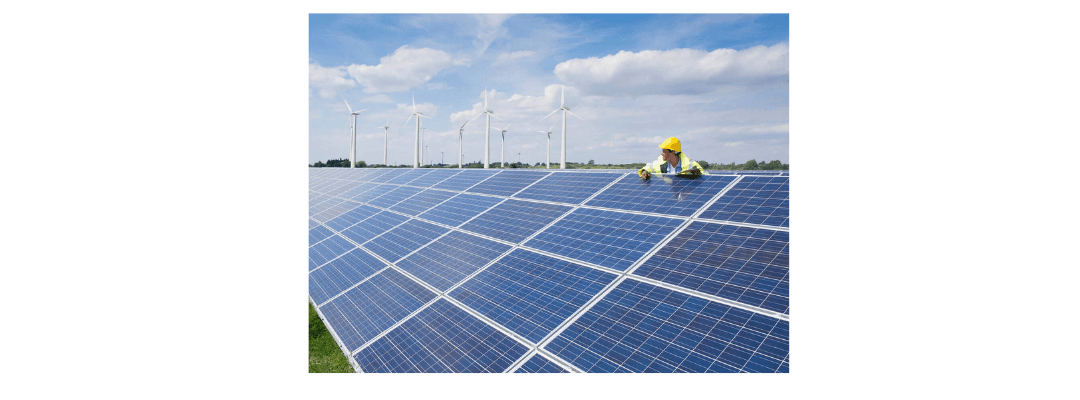
Automation Control Panels for Renewable Energy Projects: Managing Solar and Wind Power
In renewable energy projects, particularly in solar and wind power, automation control panels play a crucial role in optimizing energy generation, ensuring system reliability, and improving efficiency. By integrating advanced control systems with real-time monitoring, data analysis, and intelligent decision-making, automation control panels allow operators to manage and maximize energy output while minimizing operational costs and downtime. Here’s how automation control panels are vital for managing solar and wind power systems:
1. Real-Time Monitoring and Data Collection
- Continuous Monitoring: Automation control panels continuously monitor key parameters like power output, voltage, current, wind speed, solar irradiance, and temperature. This real-time data collection ensures that renewable energy systems operate at optimal performance levels.
- Data Logging and Analysis: Control panels record historical data, allowing operators to analyze long-term trends in energy production, identify performance issues, and make informed decisions to optimize the efficiency of solar and wind power plants.
2. Maximizing Energy Harvesting
- Optimizing Solar Panel Angles: In solar power plants, automation control panels can control solar tracking systems, which adjust the angle of solar panels throughout the day to maximize sunlight exposure. By optimizing panel angles based on the sun’s position, these systems increase energy generation by up to 25-30%.
- Wind Turbine Optimization: In wind power projects, automation control panels regulate the pitch of the blades and adjust the yaw (orientation) of wind turbines to ensure they are facing the wind at the optimal angle. This maximizes the efficiency of energy capture, even in fluctuating wind conditions.
3. Control and Regulation of Power Output
- Grid Integration: Automation control panels manage the interface between renewable energy systems and the power grid. They regulate the output of solar and wind energy plants to ensure that the electricity being generated is compatible with grid standards in terms of frequency, voltage, and phase synchronization.
- Inverter Control in Solar Power: Solar energy systems use inverters to convert DC power generated by solar panels into AC power used by the grid. Automation control panels regulate these inverters, ensuring they operate efficiently and that power output is optimized for grid use.
- Power Curtailment: In situations where the power grid cannot absorb all the energy being produced (e.g., during periods of low demand), automation control panels can curtail excess power output from solar or wind systems to prevent overloading the grid. This ensures that energy production is matched with grid capacity, protecting both the grid and the renewable energy system.
4. Fault Detection and Predictive Maintenance
- Automated Fault Detection: Automation control panels are equipped with advanced diagnostic capabilities, allowing them to detect faults such as equipment malfunctions, inverter failures, or communication issues within the system. These faults can be quickly identified and isolated to minimize downtime.
- Predictive Maintenance: By continuously monitoring equipment performance and analyzing data, automation control panels enable predictive maintenance. For example, if a wind turbine’s vibration levels exceed normal limits, the system can predict potential failures, allowing maintenance teams to address the issue before it leads to costly breakdowns.
5. Energy Storage Integration
- Battery Energy Storage Systems (BESS): Renewable energy projects often integrate battery storage to store excess energy generated during peak production times and release it when demand is higher. Automation control panels manage the charge and discharge cycles of these batteries, ensuring efficient use of stored energy.
- Optimizing Energy Flow: In both solar and wind power plants, automation control panels regulate the flow of energy between generation, storage, and the grid. They optimize the balance between immediate power consumption, energy storage, and grid export based on demand, generation levels, and energy pricing.
6. Grid Stabilization and Demand Response
- Frequency and Voltage Control: Renewable energy sources like solar and wind can cause fluctuations in grid stability due to the variability in generation. Automation control panels help stabilize the grid by adjusting power output, managing inverters, and using energy storage to provide ancillary services like frequency regulation and voltage support.
- Demand Response Participation: Automation systems can enable solar and wind power plants to participate in demand response programs, where the plant adjusts its output or utilizes stored energy during peak demand periods. This helps grid operators maintain stability and reduces the need for fossil-fuel-based peaker plants.
7. Weather Forecasting Integration
- Weather-Based Adjustments: Automation control panels can integrate with weather forecasting systems to anticipate changes in solar irradiance or wind speed. This allows the system to adjust operational parameters proactively to optimize energy output. For example, in solar power plants, panels can be repositioned in advance based on the forecasted position of the sun.
- Wind Turbine Shutdown in Extreme Weather: Automation systems can also shut down wind turbines in extreme weather conditions, such as high winds or lightning, to prevent damage. By leveraging weather data, these systems protect the equipment while ensuring safety.
8. Remote Monitoring and Control
- Centralized Management: Automation control panels allow operators to manage multiple solar or wind farms from a centralized location. This is especially valuable in large-scale renewable energy projects, where geographically dispersed assets can be monitored and controlled remotely.
- Real-Time Alerts and Notifications: In the event of equipment failure or system inefficiencies, automation systems can send real-time alerts to operators, ensuring that issues are addressed quickly. Remote access to system controls allows for adjustments and troubleshooting without the need for on-site personnel.
9. SCADA Systems for Renewable Energy Projects
- SCADA Integration: Automation control panels are often integrated with Supervisory Control and Data Acquisition (SCADA) systems in renewable energy projects. SCADA provides a centralized platform for monitoring and controlling the entire system, from individual components to large-scale power plants.
- Data Analytics and Reporting: SCADA systems collect data from sensors and equipment in the solar or wind farm, providing real-time visualization and detailed reports on performance. This data helps operators optimize system efficiency, track energy generation, and make data-driven decisions for future improvements.
10. Regulatory Compliance and Reporting
- Compliance with Grid Codes: Automation control panels ensure that renewable energy systems comply with regulatory requirements, including grid codes and environmental standards. For example, control panels regulate power factor, voltage control, and frequency synchronization to meet grid operator requirements.
- Performance Reporting: Automation systems generate detailed reports on energy production, grid interactions, and system performance. These reports are essential for regulatory compliance and can be used to optimize operations or fulfill reporting obligations for renewable energy credits (RECs) and carbon offset programs.
11. Cybersecurity for Renewable Energy Systems
- Securing Automation Systems: As renewable energy projects become more connected through IoT devices and SCADA systems, cybersecurity is increasingly important. Automation control panels must incorporate robust cybersecurity measures to protect against unauthorized access, cyberattacks, and system disruptions.
- Encrypted Communication: Automation systems use encrypted communication protocols to ensure that data exchanges between the control panel, sensors, and external systems (such as the grid or cloud platforms) are secure. This reduces the risk of cyber threats and ensures the integrity of critical infrastructure.
12. Maximizing ROI and Efficiency
- Reducing Operational Costs: Automation control panels optimize energy generation and reduce the need for manual intervention, leading to lower operational costs in solar and wind power plants. By maximizing efficiency and preventing equipment downtime, these systems contribute to a higher return on investment (ROI) for renewable energy projects.
- Increasing Energy Yield: Automation systems enable continuous performance monitoring and fine-tuned adjustments to maximize energy output. This increased efficiency directly impacts the overall yield of solar and wind power projects, contributing to higher profitability.
Conclusion
Automation control panels are essential for managing solar and wind power projects, providing real-time control, optimization, and monitoring capabilities that ensure efficient and reliable energy generation. By integrating with SCADA systems, predictive maintenance platforms, and energy storage solutions, automation control panels help renewable energy systems achieve maximum output, stability, and sustainability. As the demand for clean energy grows, the role of automation in managing solar and wind power projects will continue to expand, driving innovation and improving the performance of renewable energy infrastructure.
Recent Comments